Workers getting injured during machine maintenance isn’t a rare outlier—it’s a persistent risk in manufacturing, processing, and heavy industrial settings. Mechanical failures, human error, and procedural gaps during servicing account for thousands of preventable incidents each year. The answer? A shift from outdated manual lockout tagout (LOTO) practices to smarter, more reliable systems. Electronic lockout tagout systems are redefining energy control, combining physical safety with digital intelligence to eliminate guesswork and enforce compliance with precision.
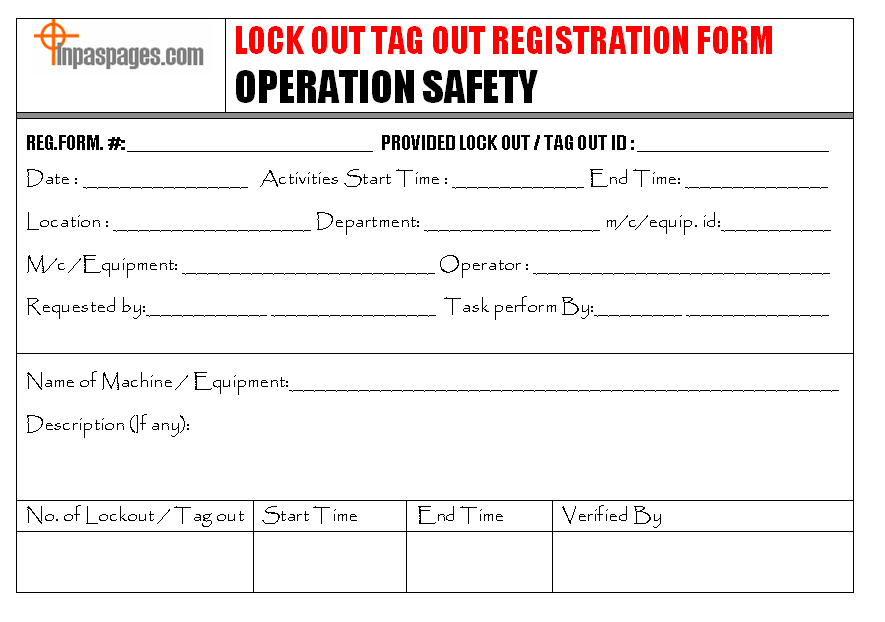
Traditional LOTO relies on individual workers applying physical locks and tags to isolate energy sources. While effective in theory, it's deeply vulnerable to inconsistencies—missing steps, incorrect sequences, or unauthorized removal of locks. An electronic lockout tagout system replaces this patchwork approach with guided workflows, access controls, and real-time monitoring. These systems don’t just support safety—they enforce it.
How Electronic Lockout Tagout Systems Work
At its core, an electronic LOTO system digitizes the entire energy isolation process. Instead of relying solely on memory or paper checklists, workers follow step-by-step digital procedures via kiosks, tablets, or control panels. Each step corresponds to a physical action—disconnecting power, closing valves, or verifying zero energy state—which is confirmed electronically.
These systems integrate with control hardware such as smart lock stations, electronic padlocks, solenoid interlocks, and PLCs (Programmable Logic Controllers). The process typically unfolds like this:
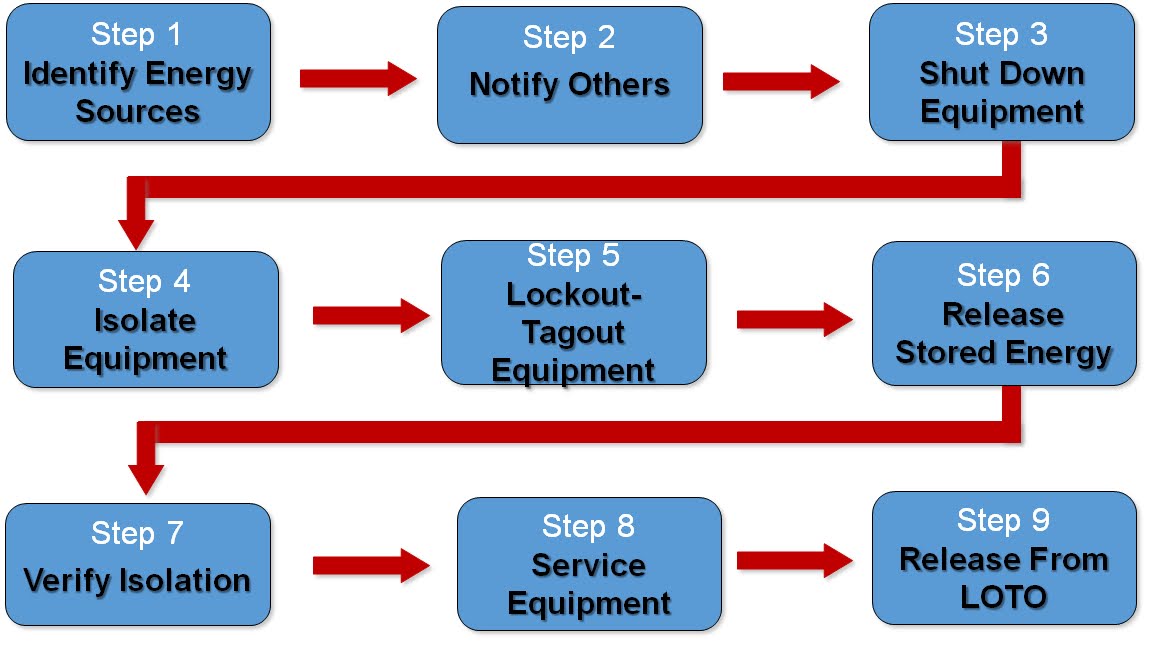
- User Authentication – A technician logs in using a badge, PIN, or biometrics.
- Procedure Selection – The worker selects the machine and task.
- Guided Isolation Steps – The system displays the exact sequence for isolating energy sources.
- Lock Application – Electronic locks are engaged and status is verified.
- Verification & Sign-Off – The system confirms isolation and records the process.
- Release Authorization – Only authorized personnel can initiate re-energization.
This closed-loop process ensures that no step is skipped and every action is traceable.
Why Companies Are Moving Beyond Manual LOTO
Manual lockout tagout has been the standard for decades, but it suffers from critical flaws that electronic systems directly address:
- Human error: Workers skip steps, apply locks incorrectly, or forget to verify isolation.
- Lack of visibility: Supervisors can't monitor LOTO status in real time.
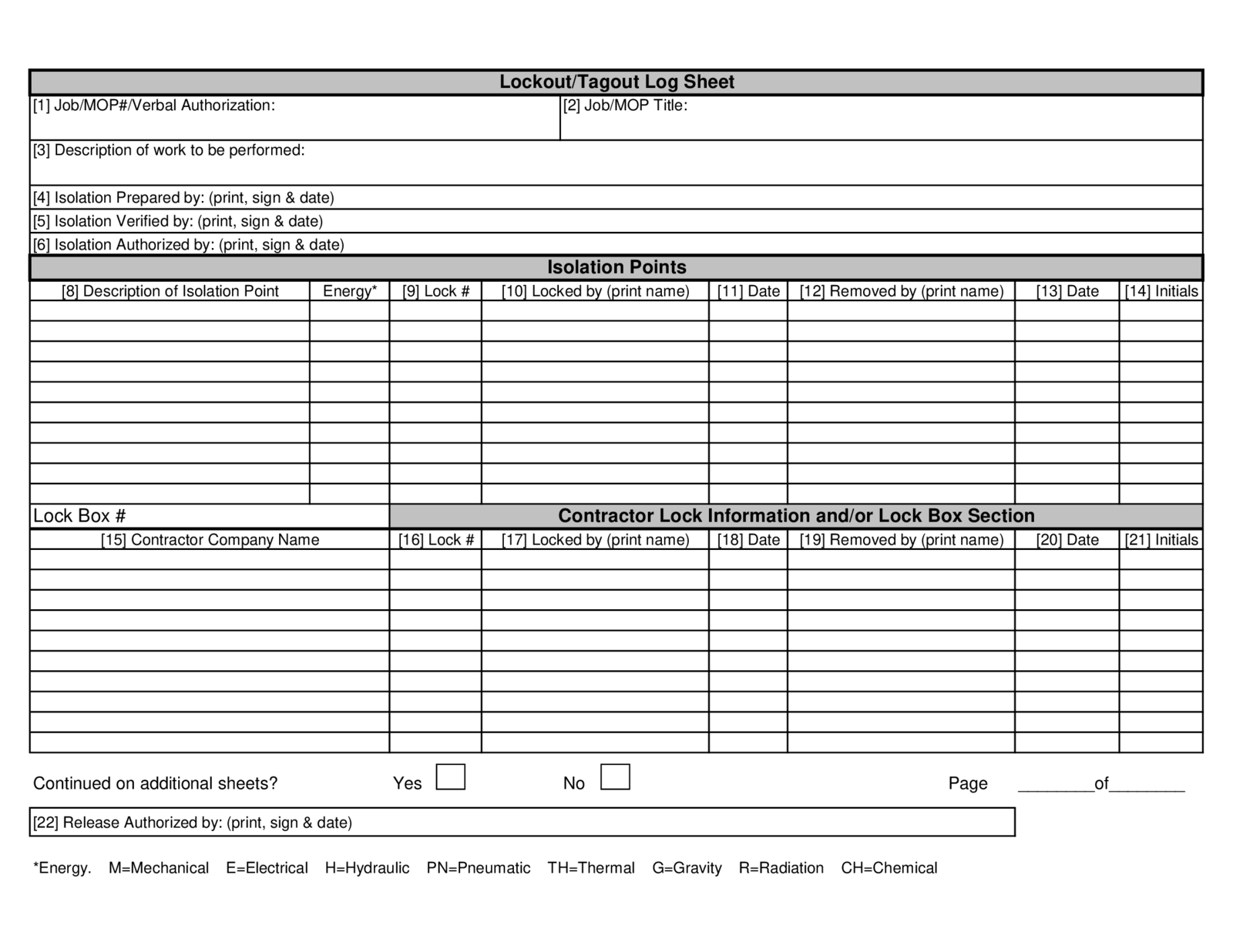
- Inconsistent documentation: Paper logs are prone to loss or falsification.
- Delayed response to violations: Unauthorized re-energization might go unnoticed.
- Inefficient workflows: Coordinating multi-person or multi-point lockouts takes time.
A 2022 audit of industrial sites found that over 60% had at least one critical LOTO violation during routine inspections—most due to procedural non-compliance. Electronic systems reduce these risks by automating enforcement. For example, in a chemical plant with overlapping maintenance shifts, a digital LOTO system prevented accidental startup by detecting that two technicians still had active locks—even after one mistakenly signed out.
Key Components of an Electronic LOTO System
A modern electronic lockout tagout system isn’t a single device but a networked ecosystem. The most effective setups include:
1. Control Interface Usually a touchscreen panel or web dashboard where users initiate and manage procedures. These interfaces display real-time lock status, safety warnings, and isolation progress.
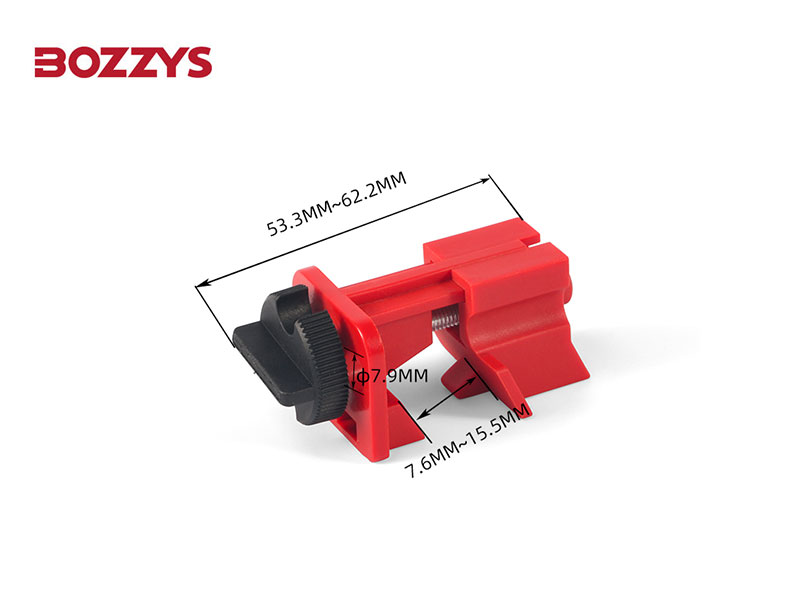
2. Smart Lock Stations Wall-mounted or portable units that house electronic padlocks. Each lock is individually addressable and can only be released by the system upon proper authorization.
3. Energy Isolation Devices Motorized valves, circuit breakers, or disconnect switches that can be controlled or monitored electronically. Some systems use solenoid locks to physically block manual operation.
4. User Authentication Tools RFID badges, PIN pads, or biometric scanners ensure only trained personnel can begin or release a LOTO sequence.
5. Central Monitoring Software Cloud or on-premise software that logs all actions, generates compliance reports, and alerts safety managers to anomalies.
6. Integration Capabilities Top systems connect with CMMS (Computerized Maintenance Management Systems), SCADA, or ERP platforms to sync maintenance schedules and safety protocols.
Together, these components create a closed-loop safety environment where compliance isn’t just encouraged—it’s engineered.
Real-World Use Cases
Manufacturing Facility with Frequent Changeovers A food processing plant runs multiple product lines on shared equipment. Each changeover requires disassembly and cleaning under LOTO. With a manual system, technicians often rushed steps, leading to near-misses. After installing an electronic LOTO system, each changeover follows a machine-specific digital checklist. Locks can’t be removed until all cleaning and reassembly steps are confirmed. Downtime dropped 18% due to fewer rework incidents, and safety audits now show 100% procedure adherence.
Oil & Gas Terminal with Remote Operations At a pipeline terminal, maintenance crews service pumps and valves located in isolated areas. Communication delays meant lockout status was often unclear. An electronic system with mobile access allows crews to initiate LOTO from tablets, with real-time updates sent to control room supervisors. GPS tagging ensures only personnel on-site can authorize releases. Since implementation, unauthorized restart incidents have dropped to zero.
Automotive Assembly Line with Multi-Craft Teams In a plant where electricians, mechanics, and robotic technicians work on the same line, coordinating lockout is complex. The electronic system supports group lockout with dynamic lockboards—each worker applies their lock digitally, and the system won’t allow re-energization until every lock is cleared. The result? Faster coordination, fewer delays, and clear accountability.
Top Electronic Lockout Tagout Platforms
Not all electronic LOTO systems are built the same. Here are five leading platforms used across industries:

| Platform | Key Features | Best For |
|---|---|---|
| Sphera LOTO | Cloud-based workflows, mobile access, CMMS integration | Large enterprises with global operations |
| LockOut Pro by Grace | Touchscreen kiosks, multi-language support, audit trail export | Mid to large manufacturing sites |
| Master Lock eLocks + Vault Platform | Bluetooth-enabled padlocks, web dashboard, offline mode | Facilities needing portable, scalable solutions |
| Afex eLOTO | Fully automated isolation, PLC integration, emergency override | High-risk environments (chemical, energy) |
| Danis Industries SmartLOTO | Modular design, customizable workflows, offline tablet use | Complex or remote maintenance operations |
Each platform varies in scalability, integration depth, and cost. A small facility might start with Bluetooth padlocks and a basic dashboard, while a refinery may require full PLC integration and automated shutdown circuits.
Benefits Beyond Compliance
While OSHA compliance is a major driver, the advantages of electronic LOTO extend into operational performance:
- Reduced Downtime – Clear procedures and real-time coordination speed up maintenance.
- Lower Training Burden – Interactive guidance reduces the need for constant retraining.
- Audit-Ready Records – Every action is time-stamped and stored, simplifying reporting.
- Improved Accountability – Digital trails show who did what and when.
- Scalability – Systems can be expanded across multiple sites with centralized control.
One pharmaceutical manufacturer reported a 30% reduction in maintenance-related delays after switching to an electronic system. More importantly, their safety incident rate dropped by 75% over two years.
Limitations and Implementation Challenges
Electronic LOTO isn’t a plug-and-play fix. Common hurdles include:
- Initial Cost – Systems can range from $10,000 for small setups to six figures for enterprise deployments.
- Integration Complexity – Connecting with existing control systems may require engineering support.
- User Resistance – Workers accustomed to manual processes may resist new technology.
- Maintenance Overhead – Software updates, battery replacements, and network reliability need management.
To overcome these, successful implementations start with pilot programs on high-risk equipment. Training should be hands-on, and safety teams must champion the change. One plant increased adoption by involving technicians in designing digital workflows—resulting in higher buy-in and fewer errors.
The Future of Energy Control Is Digital
The shift from manual to electronic lockout tagout isn’t just about upgrading hardware—it’s about transforming safety culture. As industries adopt Industry 4.0 principles, isolated safety practices no longer make sense. Electronic LOTO systems integrate seamlessly with predictive maintenance, digital twins, and real-time monitoring, creating a holistic safety ecosystem.
Facilities still relying on paper tags and physical locks are not only at higher risk but also lagging in operational maturity. The technology exists to make energy isolation faster, safer, and fully accountable. The question isn’t whether to adopt electronic LOTO—it’s how quickly you can implement it.
Upgrade your lockout procedures. Automate your safety workflows. Protect your people with certainty, not hope.
FAQ
What is the main advantage of an electronic lockout tagout system? It eliminates human error by enforcing step-by-step procedures, ensuring every energy source is properly isolated and verified.
Can electronic LOTO systems work offline? Yes, many systems support offline operation with local storage, syncing data once connectivity is restored.
Are electronic systems OSHA compliant? Yes, as long as they meet the core requirements of 29 CFR 1910.147—controlling hazardous energy and ensuring worker control over locks.
Do workers still need to apply physical locks? Yes, but the locks are electronic and integrated into the system, ensuring they can only be applied or removed through authenticated, authorized steps.
How long does it take to implement an electronic LOTO system? Simple setups can be live in weeks; complex, multi-site deployments may take several months depending on integration needs.
Can multiple workers use the same system for group lockout? Yes, electronic systems support group lockout with individual digital locks, ensuring all workers must clear their status before re-energization.
Is cloud-based LOTO safe from cybersecurity threats? Reputable platforms use encryption, role-based access, and secure protocols to protect data, but proper IT hygiene is essential.