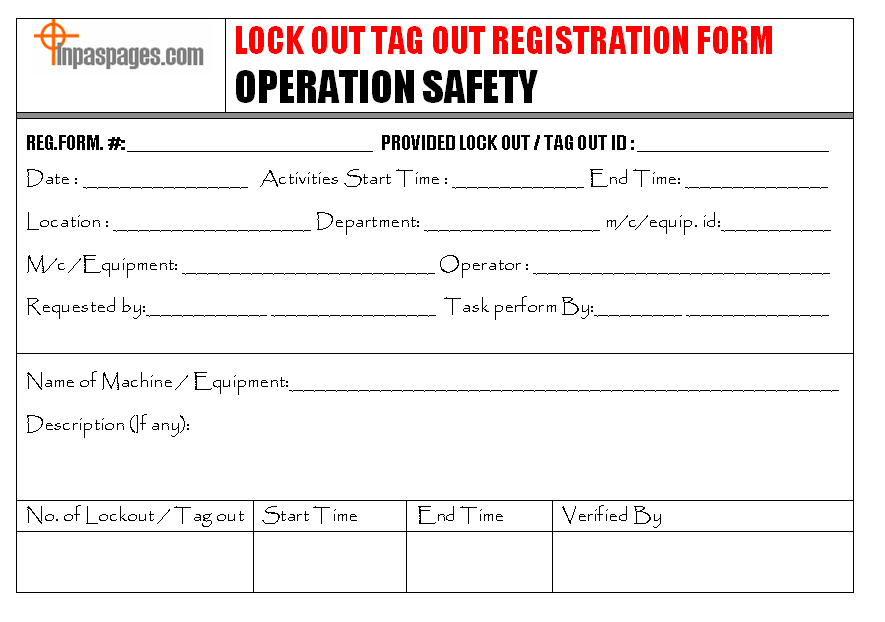
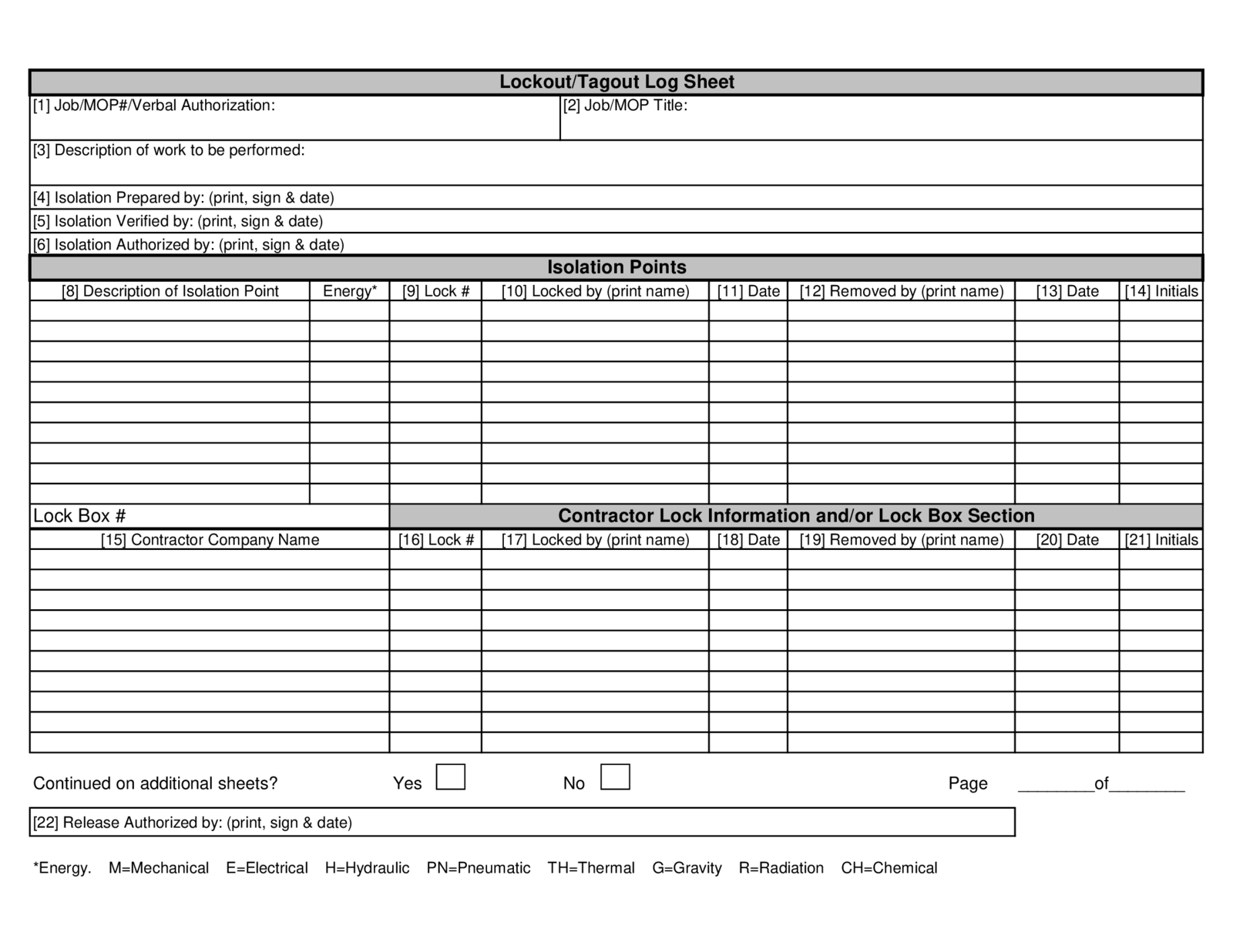
Workers get hurt not because they ignore safety—but because generic lockout tagout (LOTO) checklists fail on the shop floor. A one-size-fits-all approach to energy isolation crumbles when applied to complex machinery like hydraulic presses, conveyor systems, or industrial mixers. That’s where equipment specific lockout tagout procedures become non-negotiable.
These procedures don’t just follow OSHA 1910.147—they anticipate the real hazards hidden in a machine’s design, maintenance history, and operational context. When done right, they prevent accidental startups, protect maintenance crews, and ensure compliance without slowing down critical work.
Here’s how to build, implement, and audit procedures that reflect the actual machines in your facility—not a template from a safety manual.
Why Generic LOTO Procedures Fail in Real Facilities
Most plants start with a standard lockout form: lock the main disconnect, tag it, verify zero energy. That might work for a simple motor starter, but it falls short for multi-energy equipment.
Take a CNC machining center: it runs on electrical power, uses pneumatic tool changers, has hydraulic clamps, and stores potential energy in springs and elevated components. A blanket LOTO procedure that only addresses the main power switch ignores trapped pressure, residual motion, and mechanical release points.
Common failures include: - Assuming one isolation point covers all energy sources - Not mapping release methods for stored energy - Using vague language like “lock out power source” instead of “lock out motor circuit breaker #M3-7” - Skipping verification steps for secondary systems (e.g., coolant pumps, robotic arms)
The result? Workers improvise. They skip steps. Injuries follow.
Equipment specific LOTO procedures fix this by being precise, visual, and tied directly to the machine’s physical configuration.
What Defines an Equipment Specific LOTO Procedure
An effective equipment specific lockout tagout procedure is a documented, step-by-step guide tailored to one model or instance of machinery. It includes:
- Exact identification of the equipment (make, model, serial number, location)
- All hazardous energy sources (electrical, mechanical, hydraulic, pneumatic, chemical, thermal)
- Specific isolation points with labels or photos (e.g., “Isolate air supply valve V-204 near rear panel”)
- Step-by-step shutdown, isolation, and release sequence
- Verification method for zero energy state
- List of required tools and lockout devices
- Authorized personnel roles
This isn’t a checklist you copy-paste across 20 machines. It’s engineered for one.
Real-World Example: Hydraulic Press
Consider a 150-ton hydraulic press used in metal stamping. A generic LOTO might say:
“De-energize main power and lock out.”
An equipment specific version includes:
- Shut down control panel using E-stop.
- Isolate main disconnect (Breaker #P-23, electrical room 4B).
- Close and lock hydraulic supply valve (V-107, rear of frame).
- Open manual bleed valve (BV-03) to release line pressure.
- Lower ram fully and engage mechanical safety pins.
- Verify zero motion by attempting manual cycle (using test button).
This version prevents injury from stored hydraulic pressure and mechanical drop—real risks the generic version ignores.
Building Procedures: A Step-by-Step Workflow
Creating equipment specific LOTO procedures isn’t paperwork—it’s a technical process. Follow this workflow:
Step 1: Conduct a Machine-Specific Hazard Review
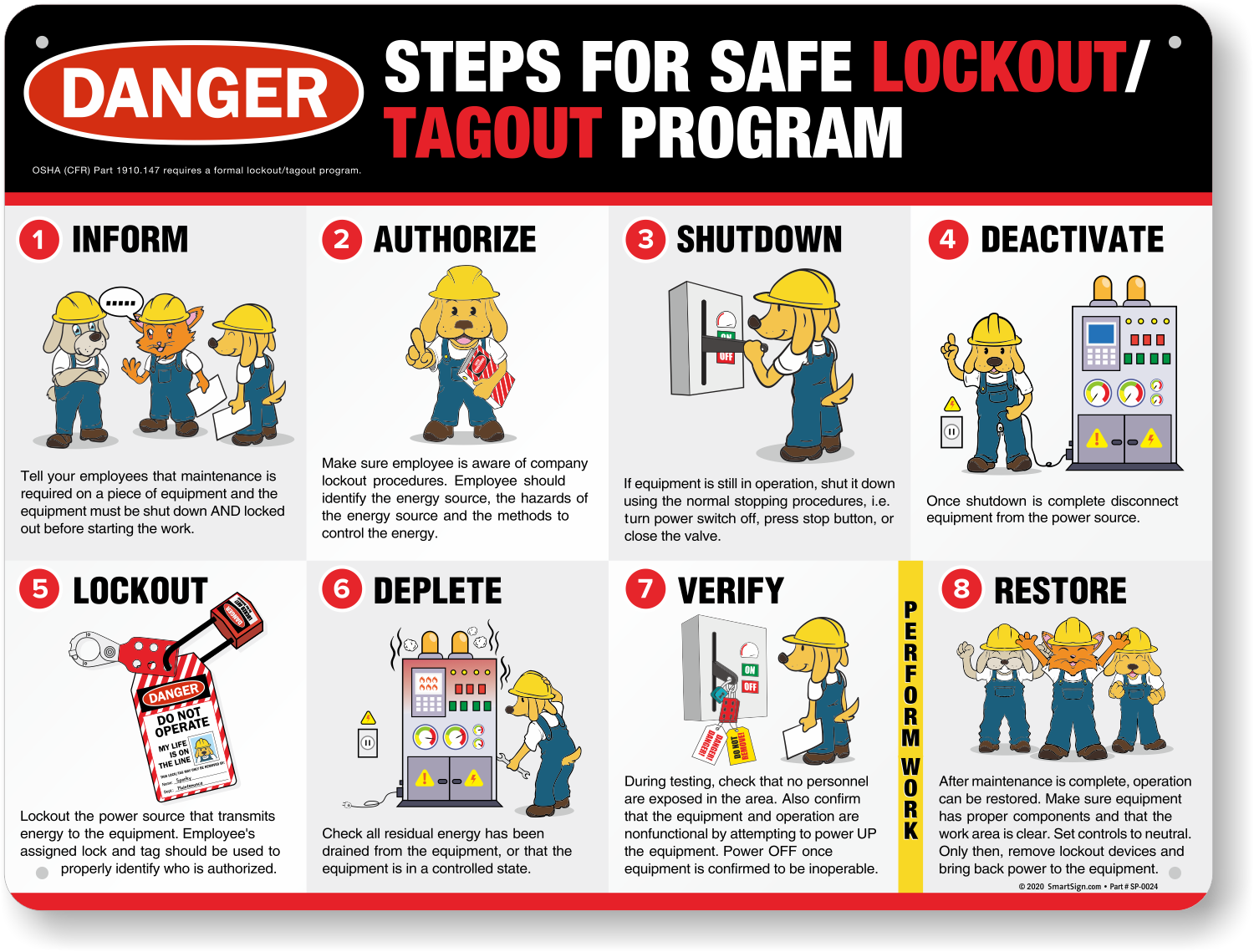
Before writing a single step: - Review equipment manuals and P&IDs (piping and instrumentation diagrams) - Interview maintenance technicians who service the unit - Perform an energy source mapping exercise
For a packaging line conveyor: - Electrical: main VFD, motor starter - Mechanical: tension rollers, drive chains - Pneumatic: cylinder actuators at transfer points - Stored energy: gravity-fed chutes, spring-loaded guides
Document every point where energy enters, is stored, or can be released.
Step 2: Identify Isolation and Release Points
Walk the machine. Tag every lockable point: - Electrical disconnects with lockout hasps - Manual block valves for fluid systems - Bleed screws or dump valves for pressure release - Mechanical stops or pins
Photograph each point. Assign labels (e.g., “LOTO-CP-05”) and include them in the procedure.
Step 3: Define the Shutdown and Verification Sequence
Sequence matters. Example for an industrial mixer:
- Stop agitator via HMI.
- Close manual shutoff valve on steam jacket (V-302).
- Lock out steam supply at main header (Breaker #S-12).
- Open condensate drain (D-04) to relieve residual pressure.
- Lock out main drive motor starter (M-401).
- Attempt restart via control panel to verify zero energy.
Note: Verification must involve attempting to operate the machine—safely—after isolation.
Step 4: Document
with Clarity and Visuals
Use: - Numbered steps - Photos or diagrams of isolation points - Equipment ID tags in the text - Bold warnings for high-risk steps
Avoid passive language. Use imperative: “Close valve V-302” not “Valve V-302 should be closed.”
Common Mistakes and How to Avoid Them
Even facilities with written procedures make critical errors:
- Using model-wide procedures for varied configurations
- A “universal” LOTO for “all centrifugal pumps” fails if some have variable frequency drives, others don’t. Create separate procedures for different setups.
- Skipping stored energy release
- One plant had a technician injured when a locked-out punch press released spring tension. The procedure mentioned “lock main disconnect” but didn’t require engaging mechanical stops.
- Poor verification
- Verification isn’t just “check the meter.” It’s attempting to start the machine using its normal controls. If it runs, the LOTO failed.
- Failing to update procedures after modifications
- Added a pneumatic assist arm to a press? The old LOTO is now outdated. Revalidate after any change.
Tools and Devices for Equipment Specific LOTO
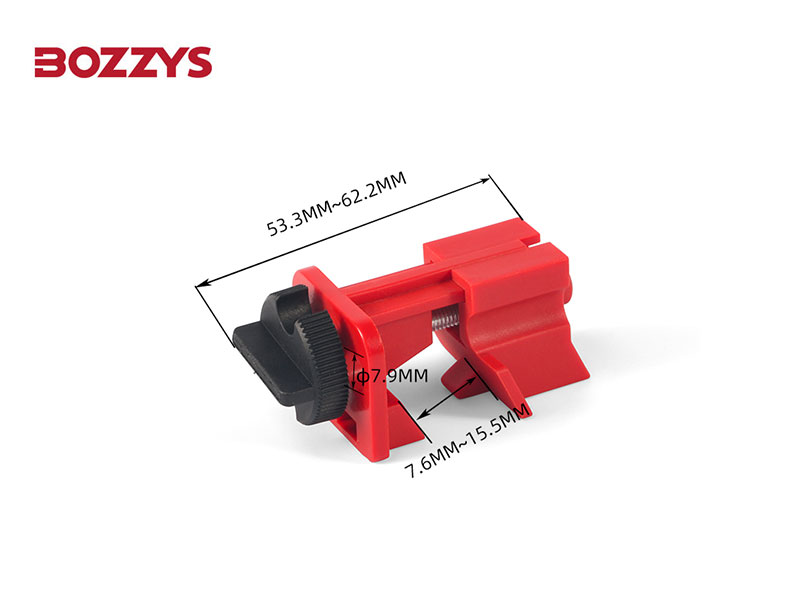
The right hardware makes procedures enforceable. Match devices to machine needs:
| Equipment Type | Recommended Lockout Device | Why It Matters |
|---|---|---|
| Circuit breaker panels | Hasp lockouts with multiple padlocks | Allows group lockout during maintenance |
| Ball valves | Valve lockouts with adjustable cuffs | Secures handle in closed position |
| Pneumatic lines | Plug-style lockout caps | Prevents hose reconnection under pressure |
| Control switches | Push-button covers with lockable flaps | Blocks accidental activation |
| Rotating shafts | Shaft lockout brackets | Mechanically prevents movement |
Use color-coded or numbered locks to identify individual workers. Never rely on tape, tags alone, or verbal agreements.
Training and Enforcement: Beyond the Paper Trail
A perfect LOTO procedure fails if workers don’t understand it. Effective training includes:

- Hands-on drills on the actual machine
- Walkthroughs of each step using real lockout devices
- Scenario testing (e.g., “What if the bleed valve is stuck?”)
- Annual re-certification with observed performance
Supervisors must audit procedures quarterly. Pick one machine at random. Watch a technician perform full LOTO. Verify: - Correct sequence followed - All energy sources isolated - Zero energy verified - Tags legible and in place
Audit findings feed back into procedure updates.
When Equipment Changes, So Must LOTO
A common gap: procedures become obsolete after retrofits.
Case example: A bakery upgraded its dough mixer with a remote start system. The LOTO procedure still required stopping at the local control panel—but remote activation could bypass it. A near-miss occurred when a supervisor started the mixer during cleaning.
Lesson: any modification triggers a LOTO review. The updated procedure now includes: - Isolating the remote I/O module - Locking out the PLC output relay - Verifying no signal reaches the starter
Change management isn’t just for production—it’s for safety systems too.
Audit Your Procedures with This Checklist
Use this to evaluate any equipment specific LOTO procedure:
- [ ] Equipment clearly identified (name, location, model)
- [ ] All energy sources listed (not just electrical)
- [ ] Exact isolation points specified (with labels or photos)
- [ ] Step-by-step shutdown and lockout sequence
- [ ] Stored energy release steps included
- [ ] Verification method described (attempt to start)
- [ ] Required tools and devices listed
- [ ] Reviewed and signed by safety and maintenance leads
- [ ] Posted near equipment or easily accessible
- [ ] Reviewed within last 12 months
This isn’t a formality. It’s a frontline defense against injury.
Conclusion: Precision Beats Compliance Theater
Equipment specific lockout tagout procedures work because they reflect reality—not bureaucracy. They name the right valves, show the real lock points, and prevent the actual risks your team faces.
Stop copying templates. Start mapping your machines. Write one precise procedure this week—one that ends with a technician verifying zero energy on a press, conveyor, or mixer that’s tried to kill someone before.
That’s not just compliance. That’s protection.
FAQ
What makes a LOTO procedure "equipment specific"? It’s tailored to a single machine or identical group, detailing exact isolation points, energy sources, and steps—not generalized instructions.
Do I need a separate LOTO procedure for each machine? For identical models with the same setup, one procedure may cover multiple units. If configurations differ (e.g., added automation), create separate versions.
Who should write equipment specific LOTO procedures? A team including safety officers, maintenance leads, and operators familiar with the machine to ensure accuracy and usability.
How often should equipment specific LOTO procedures be reviewed? Annually, or immediately after equipment modifications, incidents, or near-misses.
Can digital systems replace paper LOTO procedures? Yes—electronic work permits or LOTO apps can host procedures, but the content must still be machine-specific and accessible during maintenance.
What’s the most common oversight in equipment specific LOTO? Missing stored energy release steps, especially for pneumatic, hydraulic, or gravity-fed systems.
Are photos necessary in the procedure? Highly recommended. Visuals of isolation points reduce errors and speed up training.
FAQ
What should you look for in Equipment Specific Lockout Tagout Procedures That Work? Focus on relevance, practical value, and how well the solution matches real user intent.
Is Equipment Specific Lockout Tagout Procedures That Work suitable for beginners? That depends on the workflow, but a clear step-by-step approach usually makes it easier to start.
How do you compare options around Equipment Specific Lockout Tagout Procedures That Work? Compare features, trust signals, limitations, pricing, and ease of implementation.
What mistakes should you avoid? Avoid generic choices, weak validation, and decisions based only on marketing claims.
What is the next best step? Shortlist the most relevant options, validate them quickly, and refine from real-world results.