A broken machine isn’t the only hazard in a maintenance scenario. The real danger often lies in what happens after repairs—when multiple workers have locked out equipment, and one person assumes someone else removed their lock. Miscommunication during re-energization causes more incidents than faulty repairs. The lockout tagout sign out sheet isn’t just paperwork—it’s the final checkpoint that confirms every worker is clear, every lock is accounted for, and it’s safe to restart.
Without a clear sign out process, teams risk accidental startups, injury, or even fatalities. Yet in too many facilities, sign out sheets are treated as an afterthought—scribbled on clipboards, left unattended, or ignored entirely. This article breaks down why the sign out sheet is non-negotiable, what it should include, and how to implement it effectively across complex maintenance workflows.
Why a Lockout Tagout Sign Out Sheet Isn’t Optional
OSHA’s standard 29 CFR 1910.147 doesn’t explicitly mandate a sign out sheet, but it does require a documented procedure for controlling hazardous energy. That includes verifying that all employees are aware of lockout status and that all devices are removed before re-energizing. A sign out sheet is the most practical, auditable way to meet this requirement.
Consider this real-world scenario: A maintenance team of four locks out a conveyor system. One technician finishes early, removes their lock, and leaves without notifying others. The remaining three finish later, assume the system is still isolated, and one reaches into the mechanism. Meanwhile, a supervisor—seeing only one lock—assumes the job is complete and restarts the line.
This sequence kills. And it’s preventable.
A sign out sheet creates a centralized log where each worker: - Confirms their lock is applied at the start - Records removal only after their task is complete - Signs off only when clear of the equipment
It transforms assumptions into accountability.
What Belongs on a Lockout Tagout Sign Out Sheet
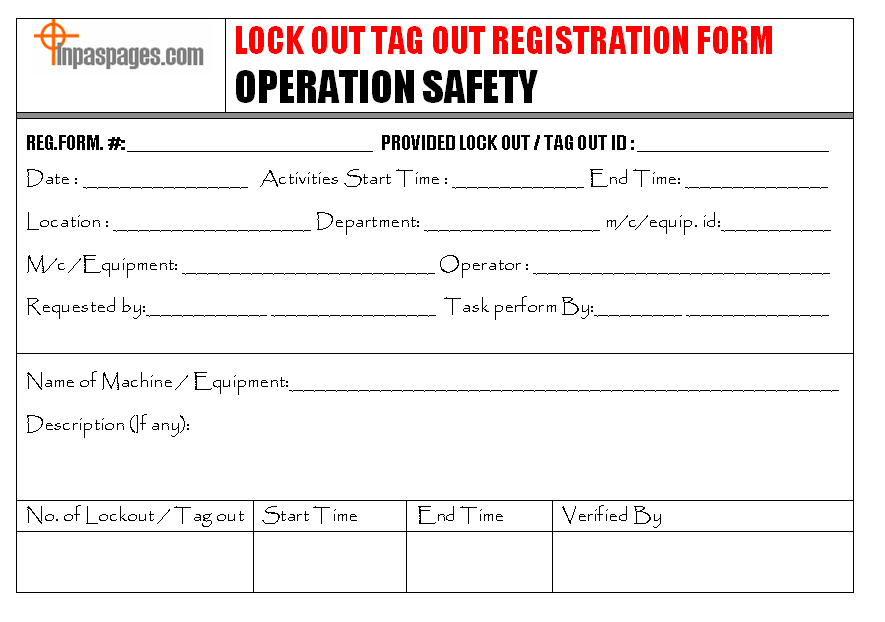
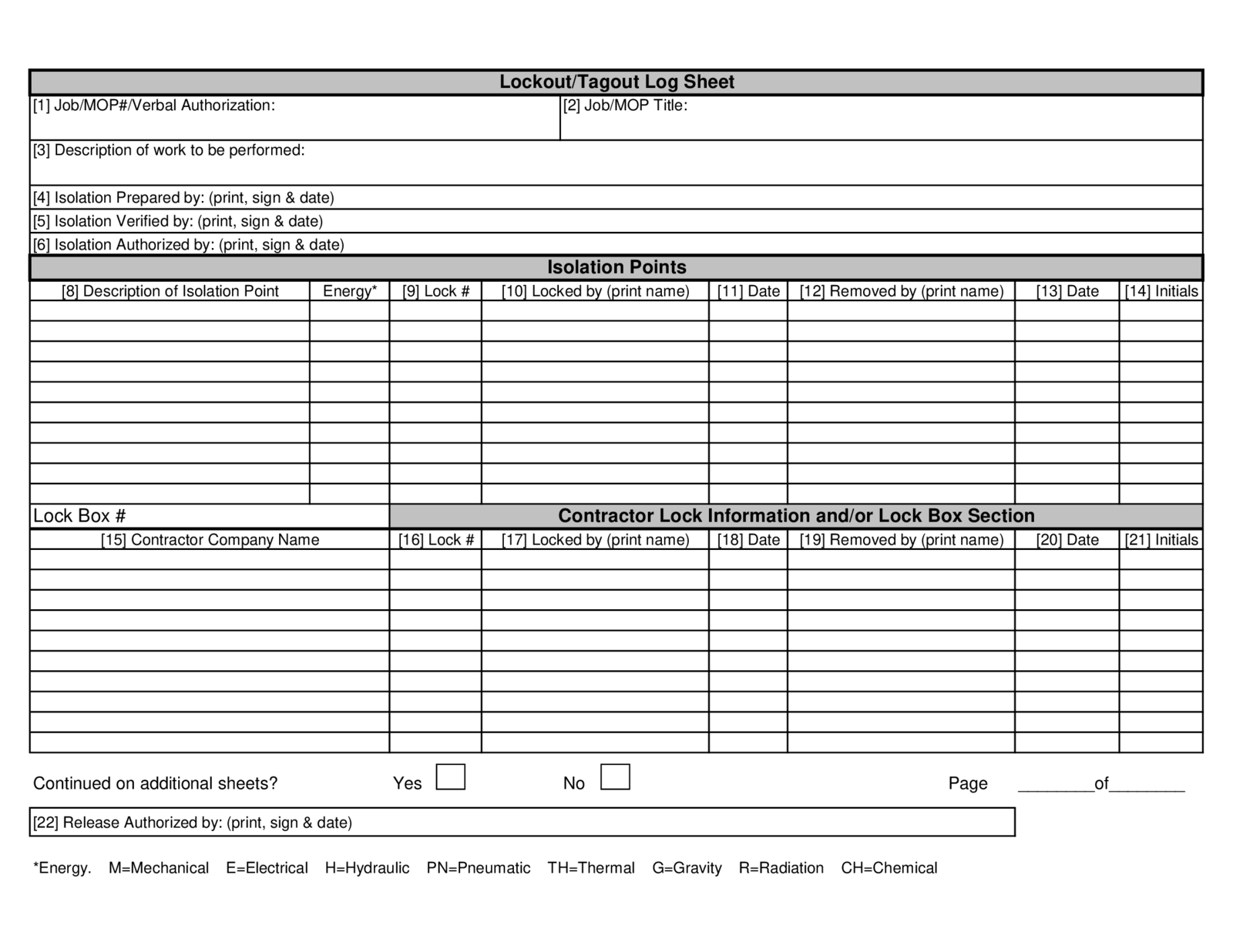
A well-designed sign out sheet isn’t a blank log. It contains structured fields that reduce ambiguity and support audit trails. Below are the essential components:
1. Equipment Identification
- Machine name, ID number, and location
- Specific energy sources isolated (electrical, hydraulic, pneumatic, etc.)
2. Authorized Employee Section
- Names, departments, and signatures of all personnel applying locks
- Time and date of lock application
3. Sign-Out Log
- Sequential fields for each worker to record:
- Time of lock removal
- Signature upon removal
- Confirmation they are clear of the equipment
4. Supervisor Verification
- Final approval field
- Re-energization timestamp
- Witness signature (optional but recommended)
5. Additional Notes
- Scope of work performed
- Unexpected issues encountered
- Handover notes for next shift
A common mistake is using a generic clipboard sheet with only lines for names. That fails when multiple shifts are involved or when contractors participate. Use a standardized form with dedicated sections to avoid confusion.
How the Sign Out Sheet Fits into the LOTO Workflow
The sign out sheet isn’t a standalone document. It’s the closing phase of a five-step LOTO process:

- Preparation – Identify energy sources and required isolation points.
- Shutdown – Notify affected employees and shut down equipment using standard procedures.
- Isolation – Apply locks and tags to all energy-disconnecting devices.
- Verification – Confirm zero energy state through testing.
- Sign Out & Re-energization – Use the sign out sheet to track lock removal and authorize restart.
The sign out sheet activates in step 5. It should be posted at or near the lockout station—never in an office or on a distant board. Every worker who applied a lock must physically sign out before leaving the area.
Real-World Use Case: Multi-Craft Maintenance
A boiler requires valve replacement and electrical inspection. Three workers are involved: - A plumber locks the steam line - An electrician isolates the control panel - A mechanic secures the feed pump
Each applies their lock and signs the sheet upon arrival. Two finish early but cannot remove their locks until the third completes his inspection. The sign out sheet forces coordination. No one signs out until all tasks are done and all personnel are clear. The final worker notifies the supervisor, who checks the sheet, confirms all signatures, and authorizes restart.
Without the sheet, this process relies on verbal communication—easily missed in noisy environments or during shift changes.
Common Mistakes That Undermine the Sign Out Sheet
Even with a well-designed form, poor execution can render it useless. Avoid these pitfalls:
1. Allowing Proxy Sign-Outs No one should sign for another worker. If Jim removes his lock, Jim must sign. Proxy signing defeats the purpose and violates safety protocol.
2. Incomplete Records Blank fields, missing timestamps, or illegible handwriting make the sheet worthless during an audit or incident investigation.
3. Leaving the Sheet Unattended A sign out sheet on a forklift seat or in a break room is not secure. It must be at the isolation point, visible to all involved.
4. Treating It as a One-Time Task For long-term outages (e.g., weekend shutdowns), the sheet must be maintained across shifts. Use shift handover logs and supervisor sign-offs to preserve continuity.
5. Not Integrating with Tagout Procedures Tags should include the worker’s name, department, and expected return time. The sign out sheet complements this by tracking actual removal.
Digital vs. Paper Sign Out Sheets: What Works Best?
While paper forms are still common, digital solutions are gaining traction—especially in facilities with rotating crews, remote sites, or strict compliance requirements.
| Feature | Paper Sheet | Digital System |
|---|---|---|
| Accessibility | Limited to physical location | Accessible via tablets or kiosks |
| Audit Trail | Manual verification | Time-stamped, tamper-proof logs |
| Multi-Shift Use | Prone to damage or loss | Automatically saved and archived |
| Integration | None | Can sync with CMMS or ERP |
| Training Curve | Low | Moderate to high |
Digital platforms like Fiix, Sphera, or Schneider’s LOTO Manager allow workers to scan a QR code on the machine, log their lock application, and sign out via mobile app. Supervisors receive real-time alerts when all locks are removed.
But digital isn’t always better. In high-risk, low-connectivity environments (e.g., underground mines), paper remains more reliable. The key is matching the tool to your operational reality.
Top 5 Tools for Managing LOTO Sign Out Processes For teams looking to standardize or modernize, these platforms offer effective solutions:
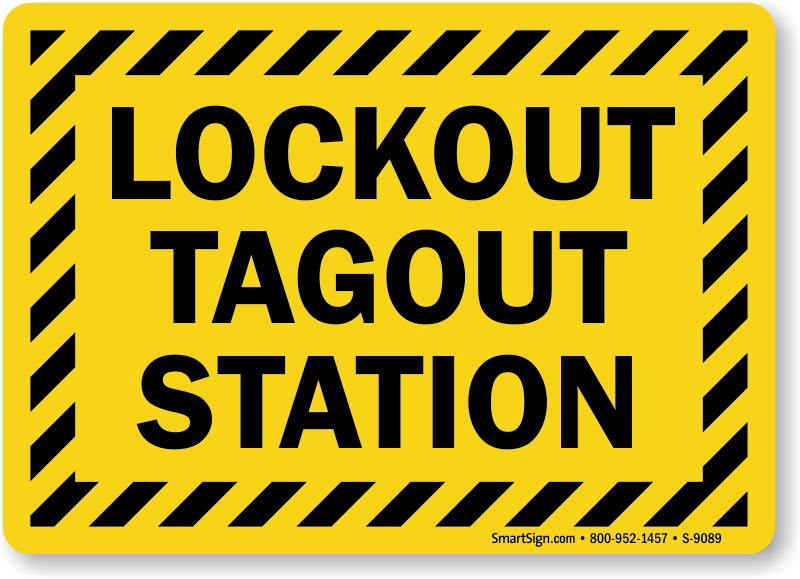
- Lockout Tagout Station Pro (by Brady)
- - Physical wall-mounted station with customizable sign out sheets
- - Holds locks, tags, and forms in one secure unit
- - Ideal for high-traffic areas
- Fiix CMMS
- - Integrates LOTO procedures into work orders
- - Digital sign out with audit trail
- - Best for facilities already using CMMS
- Sphera’s Operational Risk Management (ORM)
- - Enterprise-grade LOTO workflow tracking
- - Real-time visibility across global sites
- - Strong reporting for OSHA audits
- LockOut/TagOut Manager (by Creative Safety Supply)
- - Printable templates and digital forms
- - Includes sign out sheet generators
- - Great for small to mid-sized operations
- GoCodes Asset Tracking
- - Uses QR codes on locks and equipment
- - Mobile sign in/out with GPS verification
- - Low-cost entry into digital LOTO
Choose based on your scale, tech readiness, and compliance demands.
When the Sign Out Sheet Prevents Disaster
A manufacturing plant in Ohio avoided a catastrophic accident when a press operator noticed the sign out sheet still listed two active locks—yet the machine was about to be restarted. Investigation revealed a miscommunication between shifts. The sheet provided undeniable proof that isolation was still required. Restart was halted, and the locks were confirmed in place.
This wasn’t compliance theater. It was the system working as intended.
The sign out sheet doesn’t just protect workers—it protects the company. OSHA fines for LOTO violations average $15,625 per incident. A single serious injury can cost over $1 million in direct and indirect costs. A $5 clipboard sheet can’t prevent that. But a properly used sign out sheet can.
Make the Sign Out Sheet Part of Your Safety Culture
The best LOTO program fails if the sign out sheet is treated as formality. Train teams to see it as a life-saving ritual. Reinforce it in daily briefings. Audit its use monthly. Recognize crews that maintain perfect sign out records.
Post templates near every isolation point. Use color-coded forms for different departments. And never let re-energization happen without a supervisor reviewing the completed sheet.
This isn’t about checking a box. It’s about ensuring that every worker goes home safe.
Implement a standardized lockout tagout sign out sheet today—verify every signature, track every lock, and make re-energization a controlled, documented event. Safety isn't just policy. It's procedure, paper, and proof.
FAQ What is a lockout tagout sign out sheet? It’s a documented log where authorized employees record the removal of their locks and confirm they are clear of equipment before re-energization.
Who should sign the LOTO sign out sheet? Only the worker who applied the lock should sign when removing it. Supervisors sign last to authorize restart.
Can digital systems replace paper sign out sheets? Yes, if they provide secure, time-stamped records and are accessible to all personnel involved.
Is a sign out sheet required by OSHA? OSHA doesn’t mandate the sheet specifically but requires a procedure to verify all employees are aware and clear—sign out sheets are the most effective way to comply.
How long should sign out sheets be kept? Retain for at least one year for audit and incident investigation purposes.
Should contractors use the same sign out sheet? Yes. All personnel, including contractors, must follow the same LOTO procedure and sign the same sheet.
What if a worker forgets to sign out? Treat any missing signature as an active lock. Do not re-energize until the individual is located and confirms clearance.
FAQ
What should you look for in Lockout Tagout Sign Out Sheet Essentials for Safety Teams? Focus on relevance, practical value, and how well the solution matches real user intent.
Is Lockout Tagout Sign Out Sheet Essentials for Safety Teams suitable for beginners? That depends on the workflow, but a clear step-by-step approach usually makes it easier to start.
How do you compare options around Lockout Tagout Sign Out Sheet Essentials for Safety Teams? Compare features, trust signals, limitations, pricing, and ease of implementation.
What mistakes should you avoid? Avoid generic choices, weak validation, and decisions based only on marketing claims.
What is the next best step? Shortlist the most relevant options, validate them quickly, and refine from real-world results.